
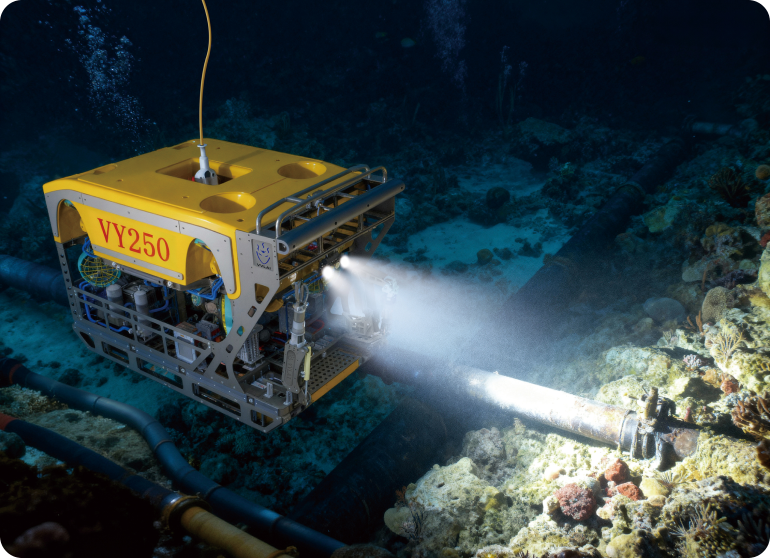
How Underwater Inspection Robots Support Subsea Infrastructure Maintenance
Subsea infrastructure plays an essential role in offshore energy, marine transportation, telecommunications, and underwater construction. Submarine pipelines, cables, offshore foundations, and subsea equipment operate in environments where direct inspection is difficult. Over time, corrosion, sediment movement, marine growth, and external impacts can affect their condition. Regular underwater inspection helps operators identify potential problems before they […]
How Underwater Dredging Robots Improve Sediment Removal Operations
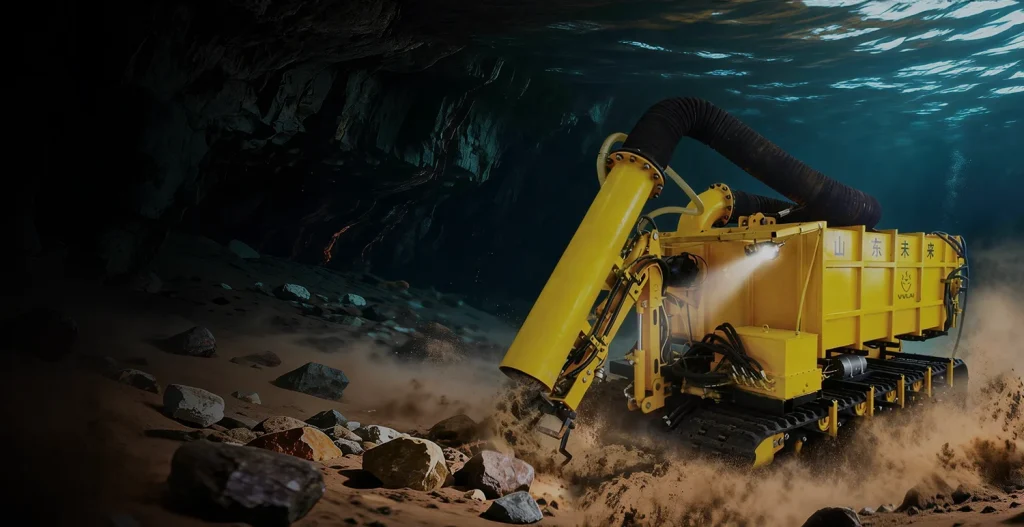
Sediment accumulation is a common challenge in ports, reservoirs, waterways, offshore construction sites, and other underwater environments. Over time, sand, silt, mud, and other deposited materials can reduce water depth, obstruct navigation channels, affect infrastructure, and interfere with engineering operations. Traditional dredging methods often rely on large surface vessels and mechanical equipment. While these systems […]
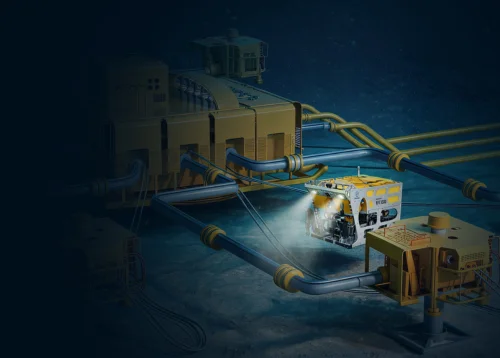
The Role of Underwater Robotic Manipulators in Subsea Engineering
Subsea engineering projects often involve tasks that cannot be completed through visual inspection alone. Operators may need to turn valves, connect equipment, retrieve objects, cut cables, operate tools, or handle components on the seabed. These operations require precise underwater interaction. An underwater robotic manipulator provides the mechanical capability to perform such tasks remotely, allowing an […]
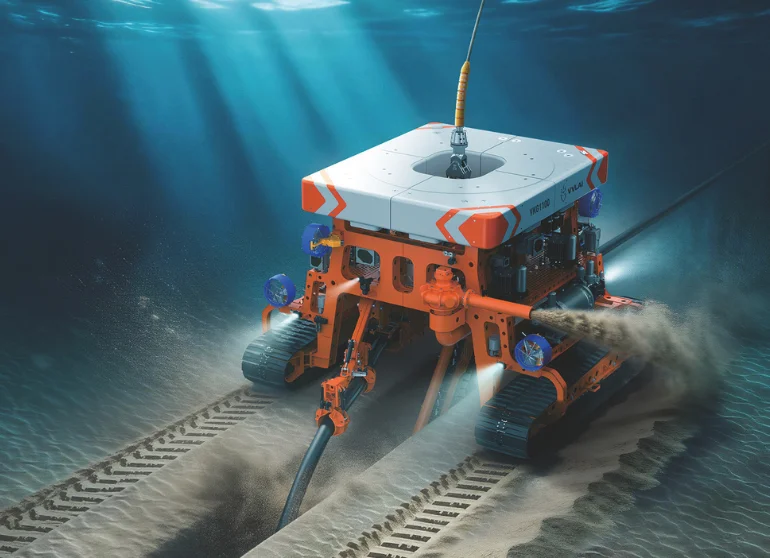
What to Consider When Choosing a Subsea Cable Burial Machine
Submarine cables are essential infrastructure for offshore wind farms, telecommunications networks, and offshore energy projects. Once installed on the seabed, these cables must be protected against external impacts, fishing activities, anchor damage, and seabed movement. Burial is one of the most widely used methods of subsea cable protection. However, burying a cable underwater is not […]
How ROV Technology Improves Offshore Wind Farm Subsea Inspections
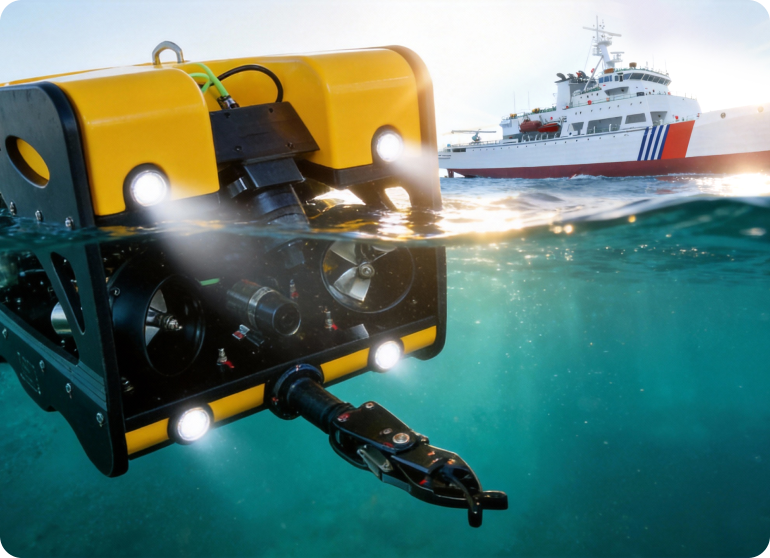
The rapid expansion of offshore wind power has increased the demand for reliable subsea inspection and maintenance services. Beneath every offshore wind farm, a network of foundations, submarine cables, connectors, and other underwater structures must remain in good condition throughout the project lifecycle. Even minor damage to these components can lead to costly repairs, power […]
Ship Hull Cleaning Robots: Technology, Benefits, and Equipment Selection
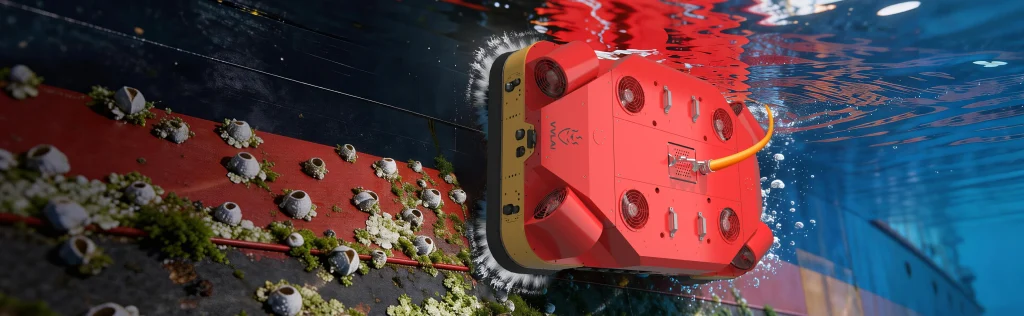
Marine biofouling is a persistent maintenance challenge for commercial vessels. Over time, algae, microorganisms, and larger marine organisms can accumulate on a ship’s hull, increasing surface roughness and affecting hydrodynamic performance. Regular hull maintenance helps vessel operators manage fouling, maintain performance, and protect underwater coatings. Traditionally, cleaning has involved dry-docking or underwater work performed by […]
Underwater Dredging Robots vs. Conventional Dredging Equipment
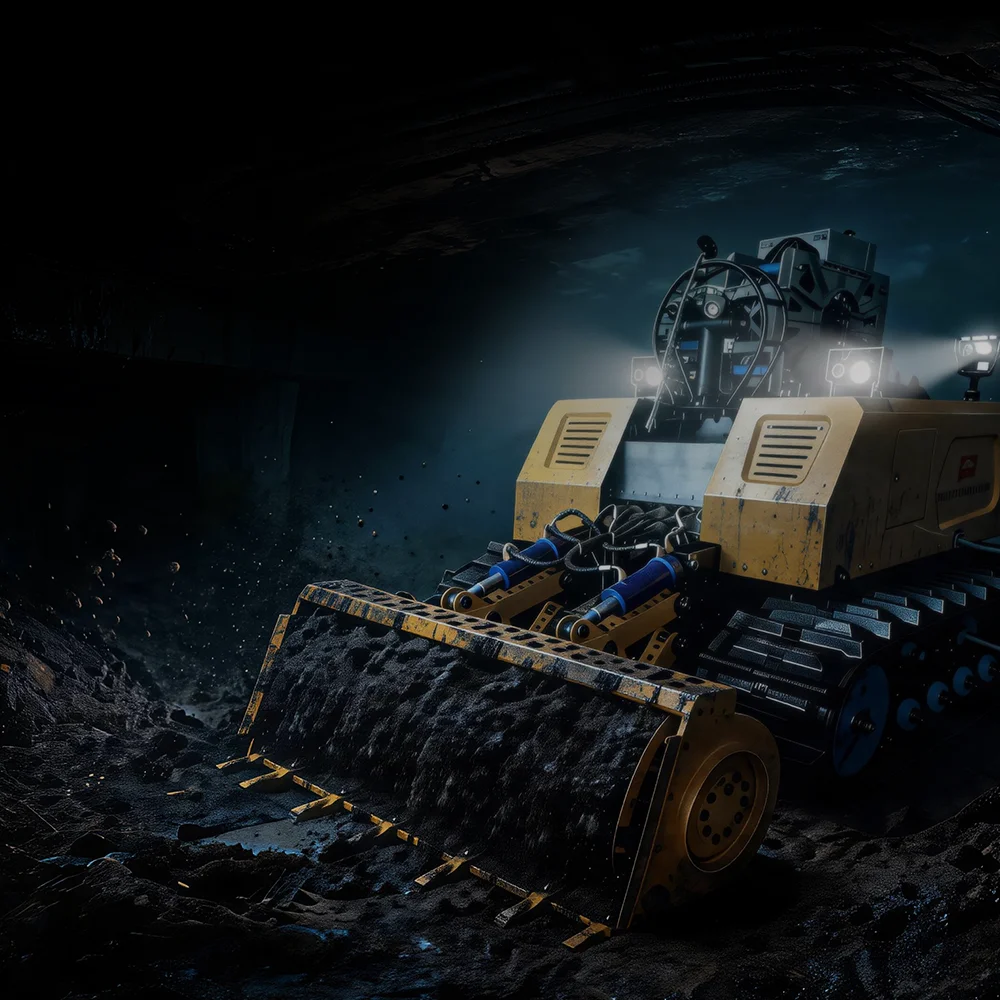
Underwater dredging is required in a wide range of projects, from reservoir maintenance and port operations to underwater construction and sediment removal. The choice of equipment can significantly affect productivity, access, operating cost, and the amount of disruption caused during excavation. Traditional dredging equipment remains effective for many large-scale projects. However, certain underwater tasks are […]
Deep-Sea Mining Robots: Engineering Challenges and Equipment Requirements
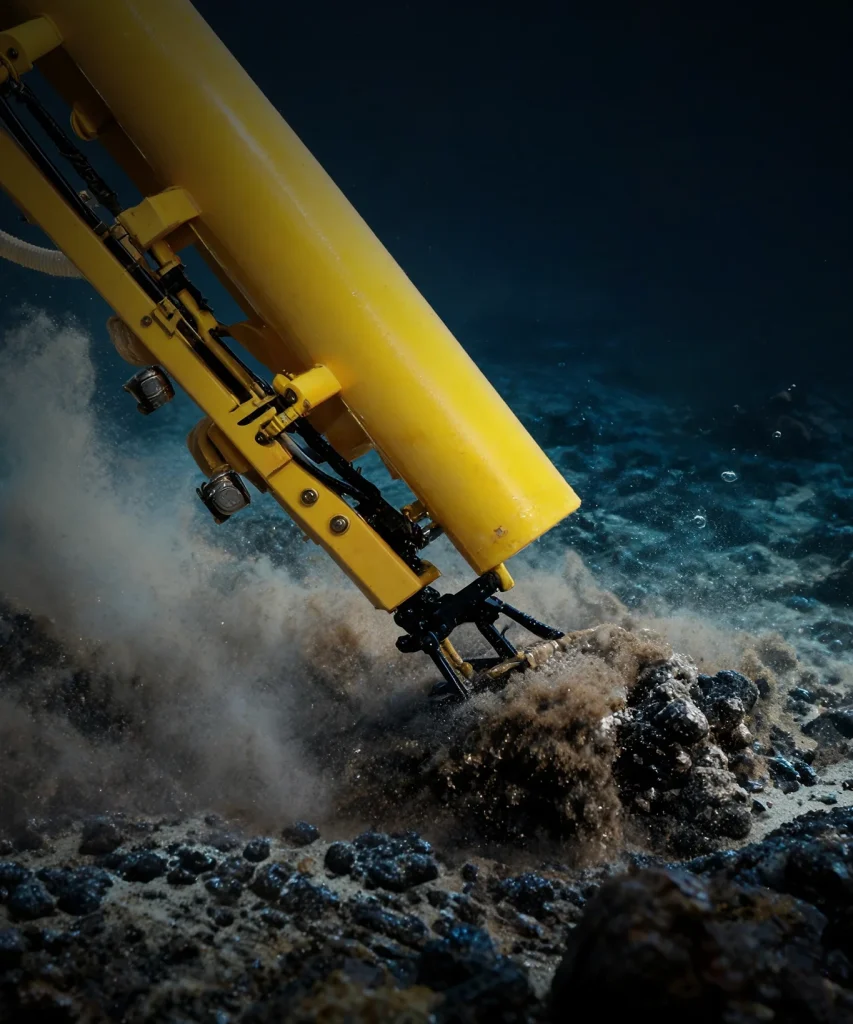
Deep-sea mineral exploration and resource development present engineering challenges that are very different from those encountered in conventional surface mining. Equipment must operate under high hydrostatic pressure, limited visibility, difficult seabed conditions, and significant logistical constraints. Deep-sea mining robots are developed to perform selected tasks such as seabed investigation, sampling, excavation, and material collection without placing […]
Offshore Wind O&M: Reducing Maintenance Risks with Subsea Robotics
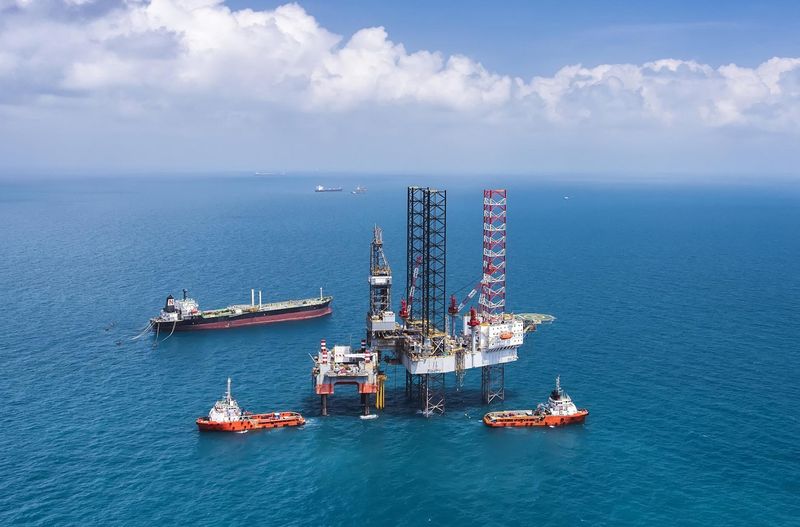
Offshore wind farms require continuous attention long after construction is complete. Turbines, foundations, subsea cables, and associated infrastructure operate in a demanding marine environment, where weather, corrosion, seabed movement, and biological growth can affect performance. For operators, offshore wind operations and maintenance (O&M) is not simply a matter of responding when equipment fails. It involves identifying […]
Work – Class ROV vs. Inspection ROV: Which Is Right for Your Project?
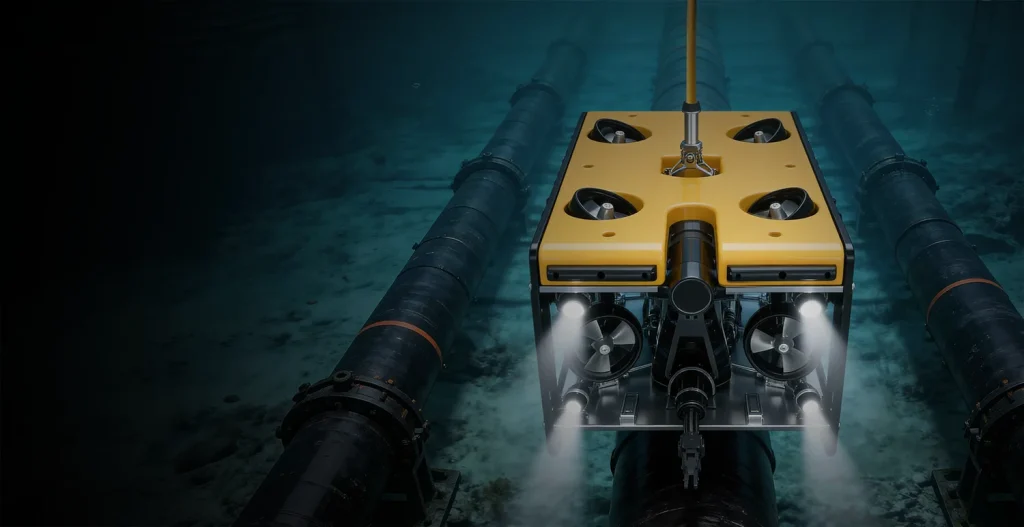
Choosing the right remotely operated vehicle is an important decision for underwater inspection, offshore construction, and subsea maintenance projects. ROVs vary considerably in size, propulsion, payload capacity, operating depth, and ability to perform physical intervention. Two commonly discussed categories are work-class ROVs and inspection ROVs. Although both provide remote underwater access, they are designed for different […]
